



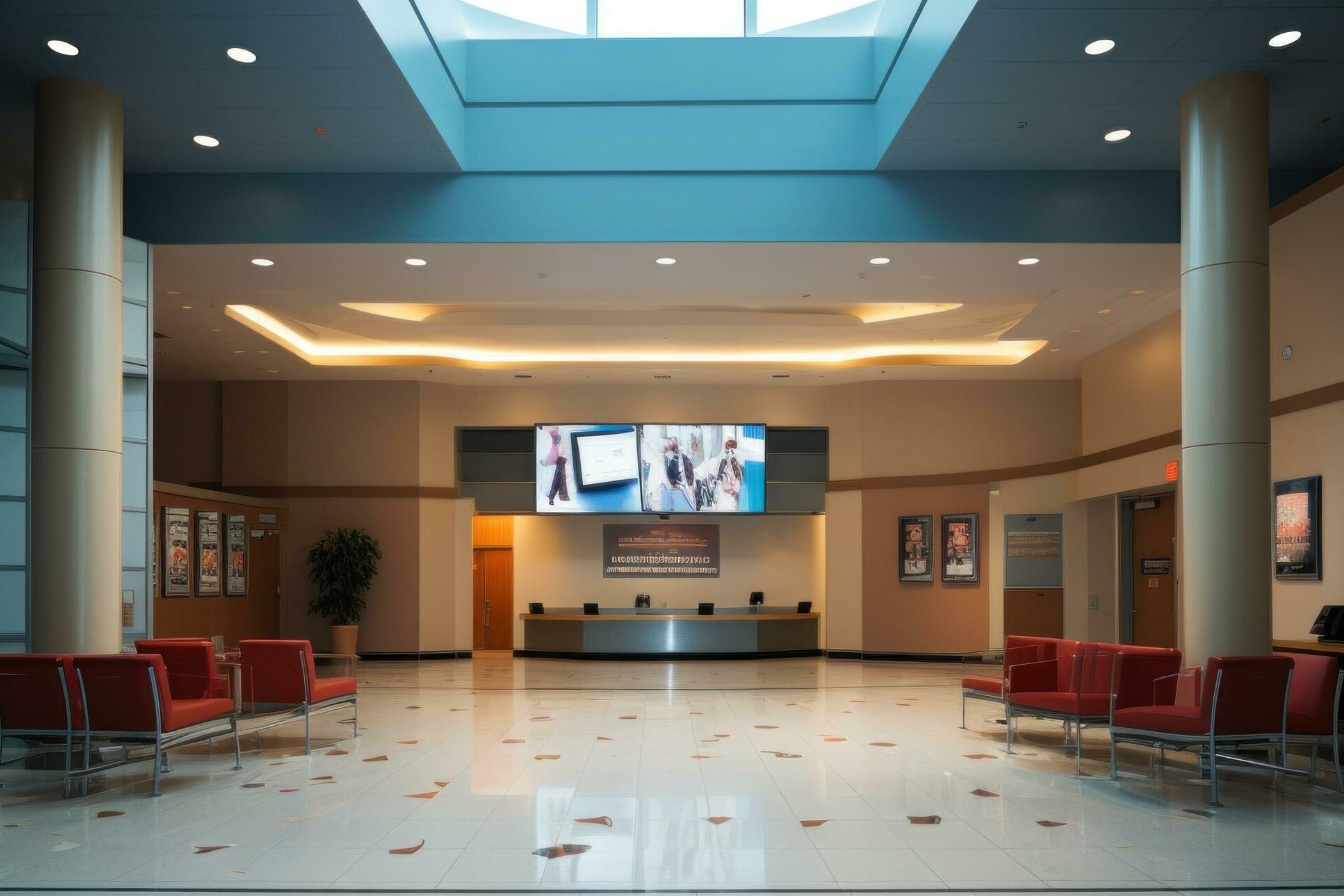
Ambulatory Surgery Center

An Ambulatory Surgery Center (ASC) is a specialized healthcare facility designed to provide same-day surgical care for patients who do not require overnight hospitalization. ASCs focus on delivering efficient, high-quality outpatient procedures in a safe and cost-effective setting. These centers can operate independently as freestanding facilities or function as extensions of a hospital, offering a wide range of surgical services across various specialties.
Ambulatory Surgery Center (ASC) Billing and Reimbursement
It is crucial for medical coders and billers to be familiar with the distinct billing requirements for hospital-based and independent freestanding Ambulatory Surgery Centers (ASCs). The type of claim form used varies depending on the facility classification. Hospital-based ASCs utilize the UB-04 (CMS-1450) claim form, whereas freestanding ASCs typically submit claims using the CMS-1500 form.
ACS coding important?
Ambulatory Surgery Centers (ASCs) have significantly enhanced the outpatient care experience for millions of Americans by providing a more accessible and convenient alternative to hospital-based procedures—while maintaining a strong record of quality care and favorable patient outcomes.Ambulatory Surgery Centers (ASCs) that wish to demonstrate their commitment to quality can pursue accreditation through one of four accrediting organizations approved by Medicare. Accredited ASCs are required to meet strict standards, which are thoroughly evaluated during on-site inspections. For patients, choosing an accredited ASC provides reassurance that the facility adheres to high standards of safety, care, and operational excellence.

A physician is a medical professional who diagnoses and treats illnesses, provides routine care, and helps patients stay healthy. They are essential to maintaining individual and community health.

Facility coding involves assigning codes for hospital or clinic services like procedures, equipment, and room charges. It ensures accurate billing and reimbursement for the healthcare facility.
Facility coding involves assigning codes for hospital or clinic services like procedures, equipment, and room charges. It ensures accurate billing and reimbursement for the healthcare facility.

An ambulance is a specially equipped vehicle used to transport sick or injured individuals to medical facilities. It provides emergency care on the way, often staffed by paramedics or EMTs.

HCC Risk Adjustment Coding uses diagnosis codes to estimate a patient’s future healthcare costs. It assigns a Risk Adjustment Factor (RAF) score based on medical conditions and demographics, helping ensure accurate reimbursement in value-based care models.

HCC Risk Adjustment Coding uses ICD-10-CM codes to capture a patient’s health conditions and calculate a Risk Adjustment Factor (RAF) score. This score helps determine reimbursement in value-based care by reflecting patient complexity